


4
Introduction
In today’s digital world, businesses want marketing strategies that deliver real and measurable results. This is where performance marketing becomes important. Unlike traditional marketing, where businesses pay for exposure like views or impressions, performance marketing pays only for results. Results include clicks, leads, or sales.
Performance marketing is one of the best ways for businesses to grow online. This is because every campaign can be tracked, measured, and optimized. Whether you run a small business or a growing brand, performance marketing helps your marketing budget deliver real returns.
What is Performance Marketing?
Performance marketing is a digital marketing strategy where advertisers pay only when a specific action is completed. These actions may include:
- Website clicks
- Lead generation
- App downloads
- Product purchases
- Form submissions
This model makes marketing more efficient and less risky, because businesses pay for actual performance instead of just visibility.
For example, if a company runs an ad and only pays when someone clicks it or buys a product, that is performance marketing.
How Performance Marketing Works
Performance marketing works through a combination of advertising platforms, tracking tools, and data analysis.
The process usually follows these steps:
- Campaign Creation
A marketing campaign is created based on business goals such as sales or lead generation. - Ad Placement
Ads are placed on platforms like search engines, social media, or websites. - User Interaction
When users interact with the ad (click, sign up, purchase), the action is tracked. - Performance Measurement
Data such as clicks, conversions, and revenue are analysed. - Optimisation
Campaigns are continuously improved to increase performance and reduce costs.
This system ensures that marketing decisions are based on real data rather than assumptions.
Types of Performance Marketing
1. Pay-Per-Click (PPC) Advertising
In PPC advertising, businesses pay when a user clicks on their advertisement. These ads often appear on search engines or websites.
PPC helps businesses attract targeted traffic to their websites quickly.
2. Social Media Advertising
Social media platforms allow businesses to run targeted advertising campaigns based on user interests, behaviour, and demographics.
These ads are designed to generate leads, website visits, or product sales.
3. Affiliate Marketing
Affiliate marketing involves partnering with individuals or companies who promote a product or service. They earn a commission for every sale or lead they generate.
This method allows businesses to expand their reach without paying upfront marketing costs.
4. Native Advertising
Native ads are advertisements that match the style and format of the platform they appear on. They blend naturally with content and often result in higher engagement rates.
5. Display Advertising
Display ads include banner advertisements, images, and videos that appear on websites and apps. These ads can increase brand awareness while still being measurable.
Key Metrics in Performance Marketing
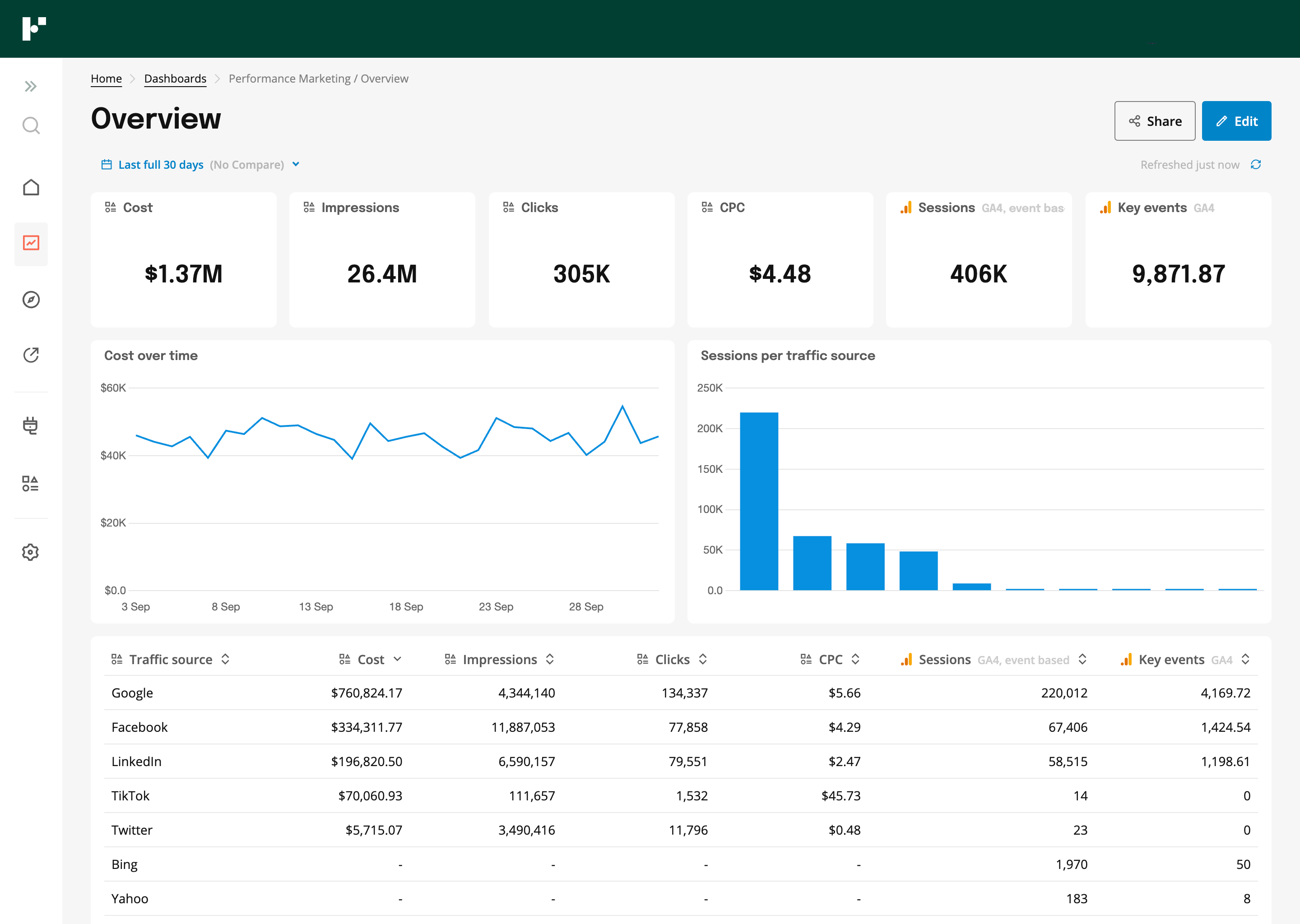
To understand the success of a campaign, marketers track several important metrics:
Click-Through Rate (CTR)
This shows the percentage of people who click on an advertisement after seeing it.
Conversion Rate
The percentage of users who complete the desired action, such as purchasing a product.
Cost Per Click (CPC)
The amount paid for each click on an advertisement.
Cost Per Acquisition (CPA)
The total cost required to gain one customer.
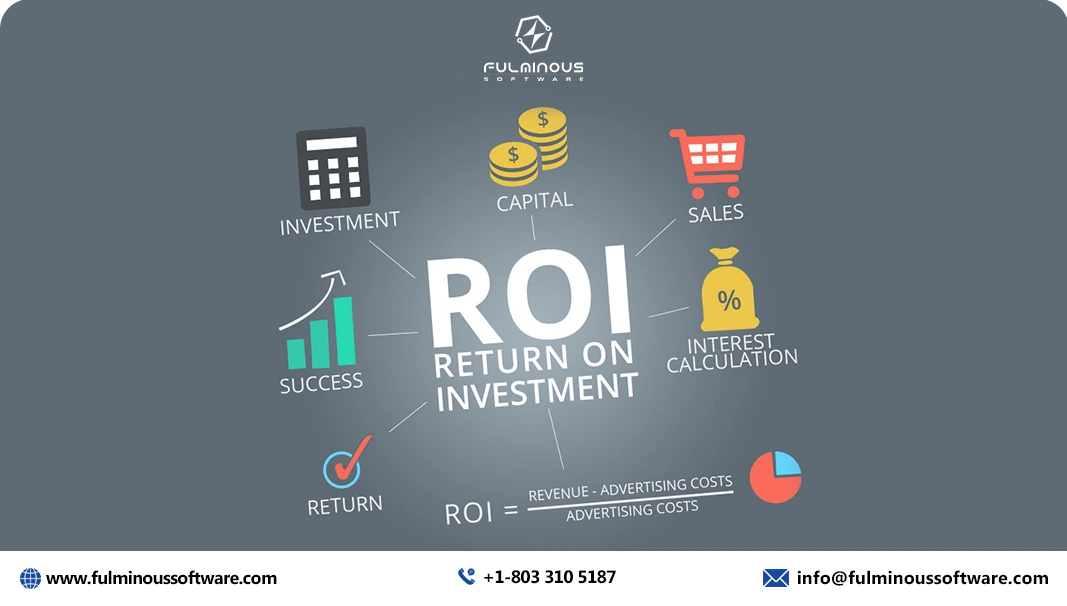
Return on Investment (ROI)
A measure of how profitable a marketing campaign is.
By analysing these metrics, marketers can improve campaign performance and reduce advertising costs.
Benefits of Performance Marketing
Performance marketing offers several advantages for businesses:
Measurable Results
Every campaign can be tracked with detailed analytics.
Better Budget Control
Businesses only pay when a specific result is achieved.
Targeted Advertising
Ads can be shown to the right audience based on location, interests, and behaviour.
Higher Return on Investment
Optimised campaigns often generate better results than traditional marketing.
Scalable Strategy
Successful campaigns can easily be expanded to reach more people.
Why Businesses Need Performance Marketing
Modern customers spend a large amount of time online. Because of this, businesses need marketing strategies that are data-driven and result-focused.
Performance marketing helps businesses:
- Generate more qualified leads
- Increase online sales
- Improve brand visibility
- Make better marketing decisions using data
It is very useful for startups, local businesses, and e-commerce brands. It helps them grow quickly. It also helps them manage their marketing budget well.
Conclusion
Performance marketing is one of the most powerful strategies in digital marketing today. By focusing on measurable results and real business outcomes, it allows companies to invest their marketing budget wisely.
With the right strategy, tools, and optimization techniques, performance marketing helps businesses reach the right audience. It increases conversions. It also supports steady online growth.